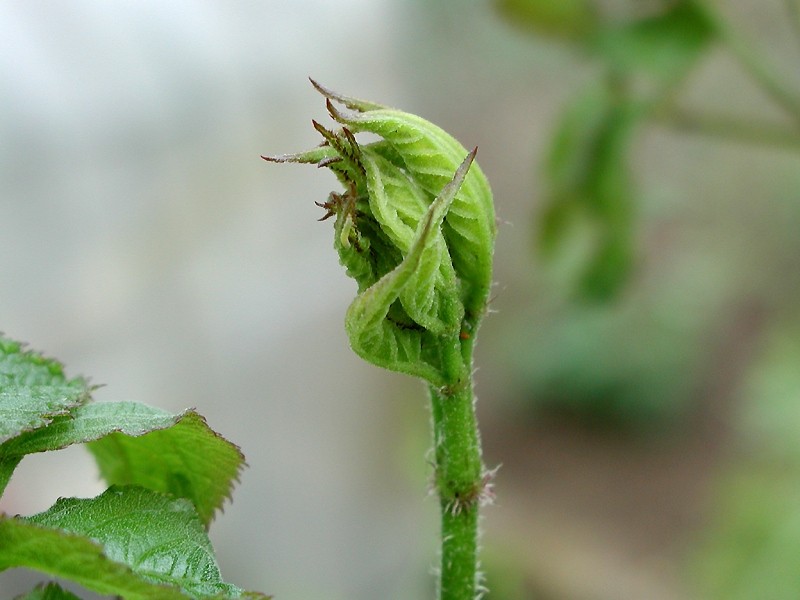
Photo: Uncle Carl (カールおじさん) — CC BY-SA 3.0 · source
Survives zone 4 through 8
Harvest calendar
Ripens: Shoots harvested in spring
Best planted in early spring after your last frost, or in fall before the ground freezes, depending on your climate.
A commonly cultivated food crop in Japan, grown for its young shoots rather than any fruit — the taste is often described as a lemony asparagus. Traditional Japanese cultivation forces roots in dark, humid underground pits ("udo muro") to blanch the shoots pale and mild before harvest.
- Hardiness
- Zone 4–8
- Habit
- Herb
- Edible part
- Shoot
- Ripens
- Shoots harvested in spring
- Mature size
- Herbaceous perennial to 1.8–2.7 m in a season; dies back to the crown each winter
- Light
- Full shade to part shade
- Soil pH
- 5.5–7.0
- Environment
- Temperate woodland
- Native range
- Japan, Korea, China and eastern Russia — woodlands and grassy slopes.
- Status
- Both wild and cultivated
- Years to fruit
- 2–3 yrs (shoots, not fruit)
- Growth speed
- Very fast — 2 m from a dormant crown in a single season
- Spacing
- 100 cm (39 in) apart — about 1 m² (11 sq ft) per plant
- Leaf shape
- Large, compound, heart-shaped leaflets
- Root system
- Thick perennial rootstock that resprouts each spring; dies back completely in winter.
- Fruit description
- Not the crop and not worth eating: small blue-black berries in loose sprays in autumn, left to the birds. Udo is grown for the blanched spring shoot, which is earthed up or forced in the dark and eaten raw in slivers or lightly cooked — crisp, and tasting of lemon and fennel.
- Propagation
- Division of the roots, or seed (needs cold stratification, best sown fresh).
- Pollination
- Insect-pollinated; irrelevant to the crop, which is a shoot. Plants are raised from division in any case.
The edible parts listed above are a starting point, not a field guide. Identify a plant with certainty — ideally against a local authority — before eating any part of it, and read the full disclaimer. Spotted something wrong? Report it.
Growing guide
Growing tips. Dormant plants tolerate hard cold (to about -25°C), but the emerging spring shoots are frost-tender and need protection if a late freeze threatens. Best in a shaded, moist woodland-edge planting.
Grow journal
Sign in to keep a dated log of when you planted, bloomed and harvested this plant.